5 Foods for Immune Support

Owen Murphy
| 09-06-2026
 · Food Team
Getting sick less often isn't just about luck. A lot of it comes down to what's regularly on your plate.
Vegetables in particular bring a mix of vitamins, antioxidants, and plant compounds that support how the body fights off infections — and some of them are doing quite a lot more than people realize.
According to nutrition expert Joan Salge Blake, a healthy immune system depends on an overall healthy diet rather than any single food.
Red Bell Peppers
This one surprises a lot of people. Red bell peppers actually contain nearly three times as much vitamin C as an orange — about 128 mg per 100 grams compared to around 45 mg in a typical orange. Vitamin C plays a key role in stimulating the production of white blood cells, which are the body's main defense against infection. On top of that, red peppers are loaded with beta-carotene, which the body converts into vitamin A to keep skin and eye health in check. Sauté them for 3 minutes or toss them raw into a salad — either way, they're worth adding regularly.
Broccoli
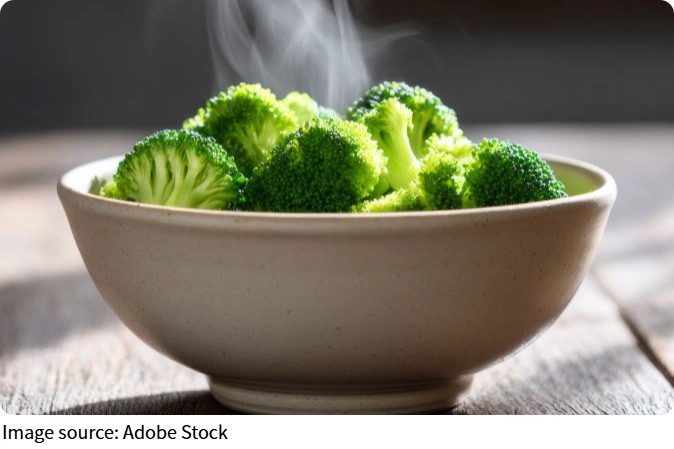
Broccoli comes up a lot in nutrition conversations, and for good reason. It contains vitamins A, C, and E, along with fiber and a solid range of antioxidants — making it one of the more well-rounded vegetables out there. The catch is that heavy cooking breaks down a lot of what makes it valuable. Steaming lightly or eating it raw keeps the most nutrients intact. Research backs up steaming and microwaving as the best preparation methods when you do want it cooked.
Spinach
Spinach earns its place here not just for the vitamin C content, but for the beta-carotene and antioxidants that come along with it — all of which help the immune system respond to infection more effectively. Like broccoli, it does better with less heat. Light cooking, though, actually makes it easier for the body to absorb vitamin A and releases certain nutrients that are otherwise bound up. A quick wilt in a pan, or just throwing it into a warm dish at the end of cooking, usually hits the right balance.
Garlic
Garlic has been used in traditional medicine across many cultures for a very long time — and the reasoning holds up. Its immune-supporting properties come largely from sulfur-containing compounds, especially allicin, which is released when garlic is chopped or crushed. Beyond immunity, research suggests garlic may also help slow the hardening of arteries and support healthy blood pressure levels. Eating it raw gives you the most benefit, but it works well cooked too. The key is chopping it first and letting it sit for about 10 minutes before applying heat.
Ginger
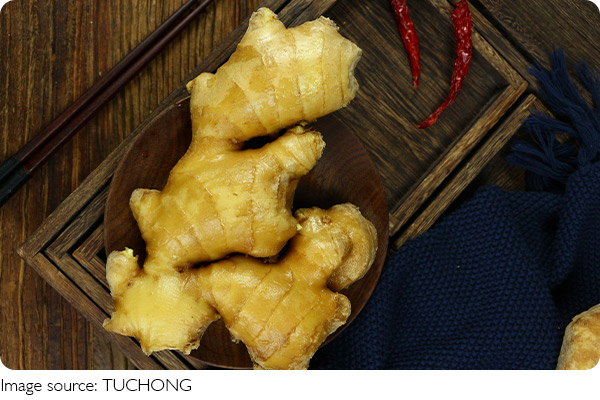
Ginger is another one people tend to reach for when they're already feeling under the weather — but it works better as a regular habit. The active compound, gingerol, has anti-inflammatory properties that may help with sore throats and other inflammatory conditions. It's also been looked at for its potential to ease nausea and reduce chronic discomfort. Grated fresh into a stir-fry, steeped into tea, or added to soups, ginger is one of those ingredients that fits into almost any meal without much effort.
None of these vegetables require special preparation or expensive sourcing — most are available at any grocery store year-round. The real benefit comes from eating them consistently rather than loading up on one or two occasionally.