Fteri Made Simple

Ravish Kumar
| 09-07-2026
 · Travel Team
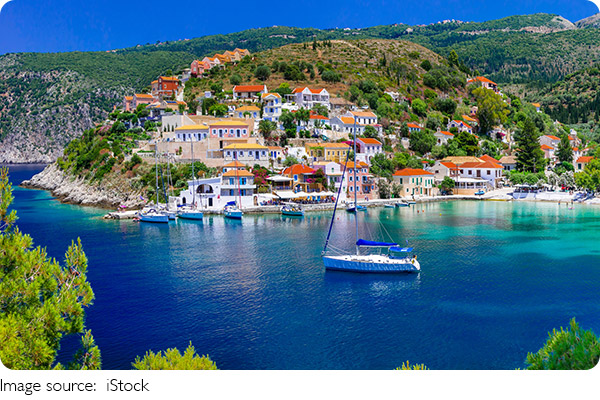
Lykkers, Fteri Beach on western Kefalonia is stunning, but it is not a low-effort stop. There is no normal road access to the shore, no organized beach setup, and no reason to arrive empty-handed.
The trip depends on three decisions: when to go, how to reach the beach, and how to leave before heat, crowds, or sea conditions weaken the day.
The smartest Fteri plan is a half-day plan. Stay close enough to start early, reach Zola before the first busy wave, choose either a short sea transfer or a rough walk, spend around three calm hours by the water, then return with enough afternoon space for food and another easy stop. Official Fteri Water Taxi information lists June 1 to September 30 as the regular season, with daily service from 9:30 a.m. to 5:30 p.m., subject to weather and availability.
Fteri Beach
Route and Timing Choices
Fteri is a decision beach, not a casual beach. The view is the reward, but your route controls the cost, effort, and comfort. Choose the method that matches your group, not the one that sounds more adventurous online.
Best Month and Hour
For most Lykkers, June and September are the best months. You still get a proper Ionian Sea swim, while avoiding the sharpest peak-season pressure. July and August are workable, but only with an early start. During those months, treat 9:00 to 9:15 a.m. as your target arrival time at Zola, not the time to leave your hotel.
A good Fteri morning looks like this: breakfast by 8:00 a.m., weather check by 8:30, reach Zola around 9:00, confirm the boat or trail plan, arrive at the beach around 9:45, leave around 1:30 or 2:00 p.m. That gives you roughly three hours on the shore and avoids the strongest heat.
If your schedule only allows a noon arrival in July or August, the answer is almost no. The beach may still look beautiful, but the experience becomes weaker: hotter stones, less shade, tighter return timing, and more boat movement offshore.
Sea Transfer or Walk
The sea transfer from Zola or Agia Kyriaki is the most practical option for most visitors. Travel guides and recent reports commonly describe the ride as under 10 minutes, with return fares often around €20 to €25 per person, though this should be treated as an approximate local range rather than a guaranteed fixed price.
Some longer coastal tours cost more, with one official six-hour route listed at €80 per person, so confirm whether you are paying for a simple transfer or a longer boat trip before boarding.
Choose the sea transfer if you have children, beach bags, limited time, or low tolerance for heat. Confirm the fare, pickup time, and weather backup before leaving Zola.
The walking route is free, but it is not free in effort. Recent visitor accounts describe about 45 to 60 minutes each way, with the return climb harder than the descent. One route report mentions roughly 150 m of elevation difference, and other travel notes describe uneven ground where closed shoes with grip are strongly recommended.
Choose the walk only if everyone in your group can handle heat, loose ground, and a return climb after swimming. Start before 9:00 a.m., carry at least 1.5 liters of water per person, and avoid light sandals. If your main goal is a relaxing swim, paying roughly €20 to €25 for the transfer is usually the better choice.
Budget, Packing, and Exit
Once you arrive at Fteri, the beach gives you scenery, water, and silence. It does not give you backup. Your comfort comes from what you bring, where you stay, and how carefully you plan the exit.
Where to Stay
Stay near Zola if Fteri is your main priority. This is the easiest base for an early morning because you reduce road time and parking stress. Choose Argostoli if Fteri is only one part of a wider Kefalonia trip. Argostoli has more services and better overall access, but the Fteri morning takes more planning.
From Kefalonia Airport to Zola, the road distance is about 30 km and driving takes around 35 minutes in normal conditions. Public transport is much slower because it requires a connection through Argostoli; route data lists about 2 hours 20 minutes and roughly €5 to €7 by bus. A taxi is faster, often shown around 35 minutes with a rough fare range near €25 to €31, but prices can vary by season and booking method.
A rental car is usually the best overall choice if you plan to see more of Kefalonia. For a Fteri-focused day, budget the beach transfer separately. A simple couple plan may include about €40 to €50 for two return sea transfers, €10 to €20 for packed food and drinks from a market, plus fuel or parking if needed. Treat this as a planning range, not an official package.
What to Carry
Pack before leaving your base. Once you reach Fteri, missing items cannot be fixed quickly. Bring at least 1.5 liters of water per person, and closer to 2 liters in July or August. Add lunch, fruit, salty snacks, sun protection, a hat, swimming shoes, a towel, a dry bag, and a small shade item if you plan to stay past midday.
Swimming shoes matter because the shore is pebbly. For hikers, proper trainers matter more than style. Save enough phone power for the return call or message if pickup timing changes.
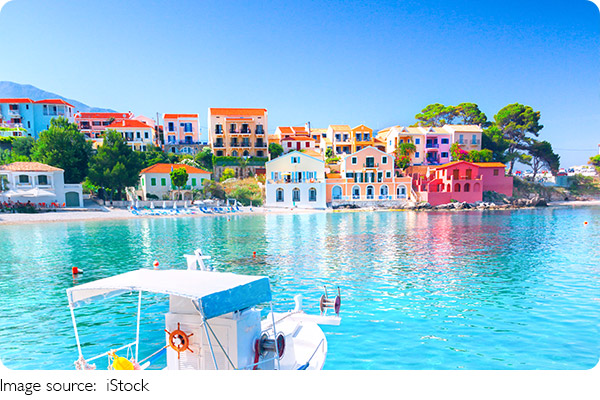
Fteri Beach is worth visiting for Lykkers who plan it correctly. Say yes if you can start early, accept limited facilities, and keep the day flexible. Say no, or choose another beach, if your group needs easy road access, full services, or a late lazy arrival. The paradise view is real, but the best version of Fteri belongs to travelers who handle the details first.