Blood Sugar Monitoring

Nolan O'Connor
| 01-09-2026
 · Science Team
Blood glucose monitoring provides useful information about how meals, physical activity, medication, stress, and daily routines affect blood sugar.
Regular testing can also reveal patterns that help guide diabetes care.
For people who use a blood glucose meter, correct testing technique and a clear understanding of glucose targets are essential. Food choices and meal portions can also influence readings, making nutrition an important part of diabetes management.
What Is Blood Glucose Monitoring?
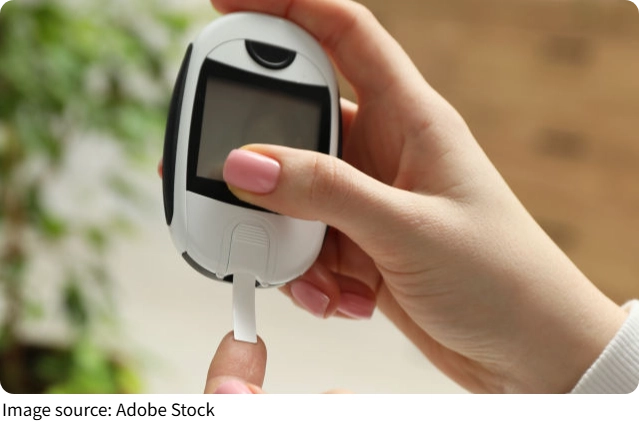
Blood glucose monitoring measures the amount of glucose in the blood at a specific time. A blood glucose meter uses a small blood sample, usually obtained from a fingertip, while a continuous glucose monitor (CGM) uses a sensor to provide ongoing glucose information.
Individual readings show glucose levels at specific moments. Reviewing multiple readings can provide a clearer picture of daily changes.
How to Check Blood Sugar
Blood glucose meters vary slightly, so always follow the instructions provided with the device. The general process includes:
- Wash your hands with soap and warm water, then dry them thoroughly.
- Prepare the meter and testing materials.
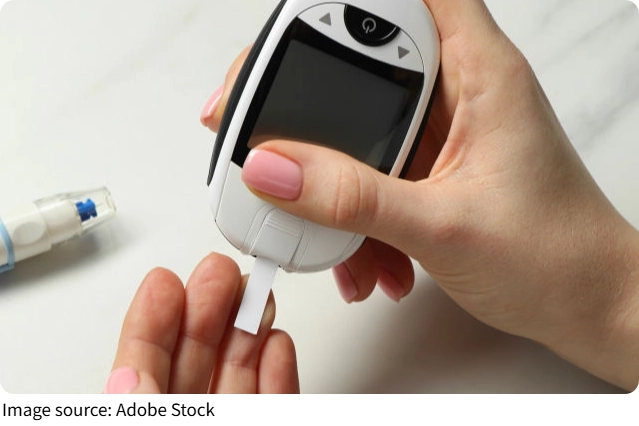
- Use the lancing device to obtain a small blood sample, usually from the side of a fingertip.
- Apply the sample to the designated testing area as directed.
- Wait for the result to appear.
- Record the reading and relevant details, such as the time, meal, activity, or symptoms.
- Dispose of used testing materials according to the applicable instructions.
Clean, dry hands help support accurate testing because substances left on the fingers can affect results. Testing materials should be stored according to the device instructions, and lancets or other blood-testing equipment should never be shared.
When Should You Check Blood Sugar?
Testing frequency depends on the type of diabetes, treatment plan, medication, insulin use, and individual glucose targets.
Depending on the care plan, testing may be recommended:
- Before breakfast or other meals
- 1–2 hours after the beginning of a meal
- Before bedtime
- Before or after physical activity
- When symptoms of low or high blood sugar occur
- At other times recommended by a healthcare professional
People who use insulin may require more frequent monitoring. The appropriate schedule should be determined as part of an individualized diabetes care plan.
Understanding Blood Sugar Readings
Blood glucose results are commonly reported in milligrams per deciliter (mg/dL) or millimoles per liter (mmol/L). Interpretation depends on when the measurement was taken and the individual's treatment goals.
For many nonpregnant adults with diabetes, commonly used targets are:
Before a meal: 80–130 mg/dL
1–2 hours after the beginning of a meal: below 180 mg/dL
These are general targets, not universal requirements. Goals may differ according to age, health status, treatment, pregnancy, and other circumstances.
A single result does not provide a complete assessment of diabetes management. Reviewing readings over time gives a more useful understanding of glucose control.
Fasting Blood Sugar Levels
Fasting blood sugar is commonly measured in the morning before breakfast, after a period without eating. It shows glucose levels before food and daily activities influence the result.
For people with diagnosed diabetes, fasting readings should be compared with their individualized targets. Repeated results outside the recommended range should be discussed with a healthcare professional.
Medication or insulin doses should not be changed because of a single reading unless the prescribed treatment plan specifically provides instructions for doing so.
Blood Sugar After Eating
Carbohydrate-containing foods can raise blood glucose because carbohydrates are broken down into glucose during digestion. Checking blood sugar after a meal can show how a particular meal, portion size, or carbohydrate choice affects an individual's reading.
Recording meals alongside glucose results can help identify useful patterns for future meal planning.
Eating for Better Blood Sugar Management
Managing diabetes does not require eliminating carbohydrates. A balanced eating pattern can include a variety of nutrient-rich foods while taking portions and carbohydrate amounts into account.
A balanced meal may include:
- Non-starchy vegetables
- Whole grains and other high-fiber carbohydrate sources
- Beans and lentils
- Lean protein
- Nuts and seeds
- Whole fruits in appropriate portions
- Suitable dairy or dairy alternatives
The most suitable eating pattern varies between individuals. Health needs, medications, activity levels, food preferences, and personal glucose responses can all influence food choices.
Foods That Support Blood Sugar Management
No single food controls diabetes. A varied eating pattern is more important than relying on individual foods.
Vegetables, legumes, whole grains, nuts, seeds, lean protein sources, and whole fruits can all contribute to balanced meals. Foods containing more fiber can also support overall dietary quality.
Portion size is especially relevant for carbohydrate-containing foods. Reading nutrition information and becoming familiar with carbohydrate amounts can make meal planning easier.
Sugary drinks and foods high in added sugars can provide substantial amounts of carbohydrate with limited nutritional value. Choosing them less often can help maintain a balanced eating pattern.
Track Glucose Patterns
Keeping a simple record can make blood glucose monitoring more informative. Useful details include:
- Time of the reading
- Whether it was before or after a meal
- Foods and approximate portions
- Physical activity
- Medication timing
- Symptoms
- Other factors that may have affected the result
Reviewing these details can help identify recurring changes and provide useful information for discussions with a healthcare professional.
When to Seek Professional Guidance
Discuss your readings with a healthcare professional if they are repeatedly outside your recommended range, your usual pattern changes significantly, or you are uncertain how to respond to a result.
People with diabetes should have a clear plan for managing unusually high or low glucose levels and knowing when urgent medical care is appropriate.
Anyone using insulin or glucose-lowering medication should follow the prescribed treatment plan and avoid changing doses independently unless specifically instructed to do so.
The Value of Regular Monitoring
The Centers for Disease Control and Prevention emphasizes the importance of blood sugar monitoring:
“Monitoring your blood sugar is the most important thing you can do to manage diabetes.” — Centers for Disease Control and Prevention.
Regular monitoring can help people understand changes in their glucose levels and provide useful information for managing diabetes alongside appropriate treatment and lifestyle habits.
Blood glucose monitoring helps show how meals, activity, medication, and daily routines affect blood sugar. Knowing how to test correctly and understand fasting and post-meal readings can make monitoring more useful.
A balanced eating pattern complements glucose monitoring by emphasizing nutritious foods, appropriate portions, and suitable carbohydrate choices.
Because glucose targets and testing schedules differ between individuals, follow a diabetes care plan developed with a qualified healthcare professional.